Edible CBD banned on May 15, 2026: what the DGAL plan really changes for your oils, gummies, and teas
Reading time: ~12 min, Cloud Store CBD analysis — updated July 31, 2026.
"My CBD oil that I bought last month, do I have to throw it away?" This question keeps coming up in our messages since spring, and it's legitimate: many people have heard from headlines that France has suddenly banned CBD. The reality is more nuanced — and that's precisely what the headlines miss.
On May 15, 2026, the Directorate General for Food (DGAL, which is part of the Ministry of Agriculture) launched a control plan targeting foodstuffs containing CBD or other cannabinoids. Specifically: candies, teas, chocolates, syrups, capsules, and certain oils are now in the crosshairs of controls. But flowers, vaporizable resins, and cosmetics are not affected. And most importantly: this is not a new law. It is the — belated — application of a European regulation from 2015.
We break down what really changes, what remains authorized, and how to know if your bottle is within the scope.
Key takeaways in 5 points
- Date: DGAL controls begin mid-May 2026, with the May 12-15 window as the operational benchmark.
- Who: DGAL and departmental services (DDPP), not the police or justice — this is administrative health policing.
- What is prohibited: All ingestible CBD products not authorized under the Novel Food regulation — candies, gummies, syrups, flower infusions, capsules, infused honeys, and most oils sold as food supplements.
- What is authorized: Flowers and resins for vaporization/inhalation, cosmetics (creams, balms, topical oils explicitly not for food).
- Why: Application of Regulation (EU) 2015/2283 on novel foods, which since January 2019 considers cannabinoid-rich cannabis sativa L. extracts as "novel food" requiring prior authorization. None has been issued to date.
- Since: The Council of State rejected the industry's interim injunction on July 10, 2026, and the EFSA set a provisional safe daily dose of approximately 2 mg per day. The ban remains in effect; the merits will be judged in autumn.
What you will find in this article
- "Ban on edible CBD": fact or fiction?
- Where are we at the end of July 2026? (Council of State, EFSA)
- What actually changes on May 15
- Why it's not a new law
- Clear list: prohibited vs. authorized
- The case of sublingual oils (gray area)
- Penalties incurred by merchants
- And you, consumer, what do you do?
- What does not change
- FAQ
"Ban on edible CBD": fact or fiction?
Let's provide the answer right away, because it's the question everyone types into Google: no, CBD is not "banned" in France in the way headlines suggest. What is being implemented on May 15, 2026, is the ban on the sale of unauthorized ingestible CBD products — candies, teas, capsules, oils sold as food supplements — under the European Novel Food regulation. Flowers, vaporizable resins, and CBD cosmetics, however, remain perfectly authorized.
Talking about an "edible CBD ban" is therefore accurate, with two caveats: it only concerns what is swallowed, and it is not a new repressive law but the — belated — application of a European text from 2015. And for an individual, owning or finishing a product purchased before May 15 is not an offense: the control plan targets sellers, not consumers.
If you want the details, the product-by-product list clarifies each specific case, the "why it's not a new law" section explains the legal distinction, and sublingual oils get their own chapter — that's the sticking point.
Where are we at the end of July 2026? The Council of State has ruled, in part
This article was written one week before the plan came into force. Two and a half months later, two things have moved, and they change the answer to the question everyone types into Google: is CBD banned in France?
The industry's interim injunction was rejected on July 10, 2026
On June 10, 2026, the Union of CBD Professionals (UPCBD) and the Union of Industrialists for the Valorization of Hemp Extracts (UIVEC), joined by the Italian association Nazionale Canapa Sativa Italia and several companies in the sector, referred the matter to the Council of State. They requested two distinct things: the urgent suspension of the national control plan, and its annulment on the merits.
The interim injunction judge rejected the request for suspension by an order dated July 10, 2026 (Conseil d'État, n° 516668). Its reasoning deserves to be read carefully, because it is often misreported: the judge considered that the condition of urgency was not met, noting in particular that the measure puts an end to the issuance of new certifications without imposing an automatic withdrawal of products already in circulation. He therefore stopped there.
What this rejection does not say
The Council of State did not validate the DGAL plan. It ruled that the urgency was not characterized, which exempted it from examining the "serious doubt" as to the legality of the plan. The appeal for annulment, however, remains pending: the substantive debate is postponed until autumn 2026. In other words, the ban applies today, but it is not definitively secured in law.
EFSA has set a provisional safe dose, and it is very low
On February 9, 2026, the NDA panel of the European Food Safety Authority published an update of its opinion on the safety of cannabidiol as a novel food. For the first time, EFSA provided a figure: 0.0275 mg of CBD per kg of body weight per day, or approximately 2 mg per day for a 70 kg adult.
It is important to understand what this represents. A 10% oil taken at five drops per day commonly delivers 25 to 30 mg of CBD, more than ten times this value. If a Novel Food authorization eventually comes, it will therefore probably not resemble the market as it existed before May 15.
Two clarifications, because this figure circulates a lot without its instructions. First, it is a provisional value, obtained by applying an uncertainty factor of 400 to the available data: EFSA itself highlights significant gaps, with liver toxicity emerging as the most sensitive point. Second, its scope is narrow: it only applies to food supplements with CBD purity of 98% or more, without nanoparticles, whose manufacturing process is deemed safe and genotoxicity ruled out.
Finally, the opinion is explicit about what it does not cover: "the safety of CBD for individuals under 25 years of age, pregnant or lactating women, and those on concurrent medications, cannot be established". The safety of CBD for those under 25, pregnant or lactating women, and people on medication cannot be established given the current data. We prefer to tell you as it is rather than keeping it silent.
What this means for you, in concrete terms
Nothing immediately, and that's the important point. Ingestible products remain withdrawn from sale. Flowers, resins, and cosmetics remain authorized: they were never within the scope of the plan. What has changed is the horizon. We now know that the case will be re-examined in autumn before the Council of State, and that any eventual European authorization would be at doses incomparable to what the market practiced before May.
What actually changes on May 15
In 2026, DGAL announced to professional federations on April 15 that it was triggering a national control plan targeting foodstuffs containing cannabinoids (DGAL, communication to trade unions, April 2026). This plan mobilizes the departmental directorates for the protection of populations (DDPP) in all regions. Effective start: mid-May 2026, with the May 12-15 window serving as a benchmark for industry players.
Agents check shelves, e-commerce sites, warehouses. When an ingestible product contains CBD or another cannabinoid without Novel Food authorization, they can order a market withdrawal. In case of health doubt (THC level, suspicious ingredients), a mandatory withdrawal-recall becomes possible — the brand must then notify customers who have already purchased.
This is not a police raid. It is the application of a regulatory framework that France had tolerated until now — and has decided to apply now. According to the UPCBD (Union of CBD Professionals), the timeline is "incompatible with normal industrial deadlines". More than 2,000 specialized shops are affected in France, as well as approximately 20,000 pharmacies that distribute these products, according to figures provided by the UIVEC (Union of Industrialists for the Valorization of Hemp Extracts).
Why it's not a new law
This is the framing that the press often misses. Regulation (EU) 2015/2283 on novel foods was adopted on November 25, 2015. It essentially states: any food that was not significantly consumed in the European Union before May 15, 1997, must be specifically authorized before being placed on the market. This date — May 15 — is the same as that of the DGAL controls in 2026. This is probably not a communication coincidence.
In January 2019, the European Commission updated its Novel Food Catalogue to specify that extracts of Cannabis sativa L. containing cannabinoids (including CBD) are novel foods, because no significant food consumption before 1997 is documented (European Commission, EU Novel Food Catalogue, updated January 2019).
"Novel food" status: what it means
A novel food is not illegal. It is not yet authorized. To be marketed, its manufacturer must submit a dossier to the European Food Safety Authority (EFSA), which assesses its safety. The process typically takes 18 to 36 months. Several dossiers for CBD extracts have been under review since 2019, but none has yet received final authorization at the European level. However, EFSA took a step forward on February 9, 2026, by publishing a provisional safe daily dose: this is not an authorization, but it is the first time the agency has put forward a figure.
So legally, edible CBD has never been legal in France under the Novel Food regulation. It was simply tolerated. The DGAL spent seven years turning a blind eye. May 15, 2026, marks the end of this tolerance.
It is also important to recall the Kanavape judgment of the Court of Justice of the European Union (case C-663/18, November 19, 2020): the Court ruled that a Member State could not prohibit the marketing of CBD legally produced in another Member State, in the name of the free movement of goods. This case law remains valid for flowers and resins, but it does not cover the Novel Food issue, which concerns the prior authorization of a food ingredient — it is a different logic.
To understand how this decision fits into the overall legal framework of CBD in France, we have written a complete guide: Legal CBD in France in 2026: what the law says.
Clear list: what is prohibited, what remains authorized
The best way to sort it out is to classify by product destination. If it is intended to be swallowed, chewed, drunk, or ingested in any way — it is affected. If it is intended to be inhaled, vaporized, or applied to the skin — it is out of scope.
| Category | Status as of May 15, 2026 | Why |
|---|---|---|
| CBD candies, gummies, lollipops, caramels | 🔴 Prohibited | Ingested confectionery → foodstuff → Novel Food |
| Chocolates, biscuits, brownies, infused cookies | 🔴 Prohibited | Classic food → Novel Food |
| Syrups, drinks, CBD-infused waters | 🔴 Prohibited | Beverage → foodstuff |
| Herbal teas, infused flower tops | 🔴 Prohibited | Infusion preparation → ingestion → Novel Food |
| CBD capsules, pills, tablets | 🔴 Prohibited | Food supplements → Novel Food |
| Infused honeys, infused butters, prepared meals | 🔴 Prohibited | Infused food → Novel Food |
| Oils sold as food supplements | 🔴 Forbidden | Label "supplement" or "oral use" → ingestible |
| Dried CBD flowers (for vaporization) | 🟢 Authorized | Not a food product, separate regulation |
| CBD resins / hash (for vaporization) | 🟢 Authorized | Not a food product, separate regulation |
| Cosmetics: creams, balms, massage oils | 🟢 Authorized | External use → cosmetic regulation, not food |
| CBD e-liquids for vaping | 🟡 Grey area | Inhaled, but food ingredients possible depending on recipes |
| Hemp seeds, edible hemp oil (no added CBD) | 🟢 Authorized | Traditional food pre-1997, not Novel Food |
The decisive criterion is not the presence of CBD, it is the intended ingestion and labeling. An oil sold as a "food supplement" with oral drop dosage is concerned. The same oil, presented as an "external care oil" with exclusive cosmetic use on the label, falls outside the scope — provided that the clear presentation and use correspond.
The specific case of sublingual oils
This is the point on which the media contradict each other — and it is probably the subject on which you have the most questions. The answer is actually simple, but it depends on the label.
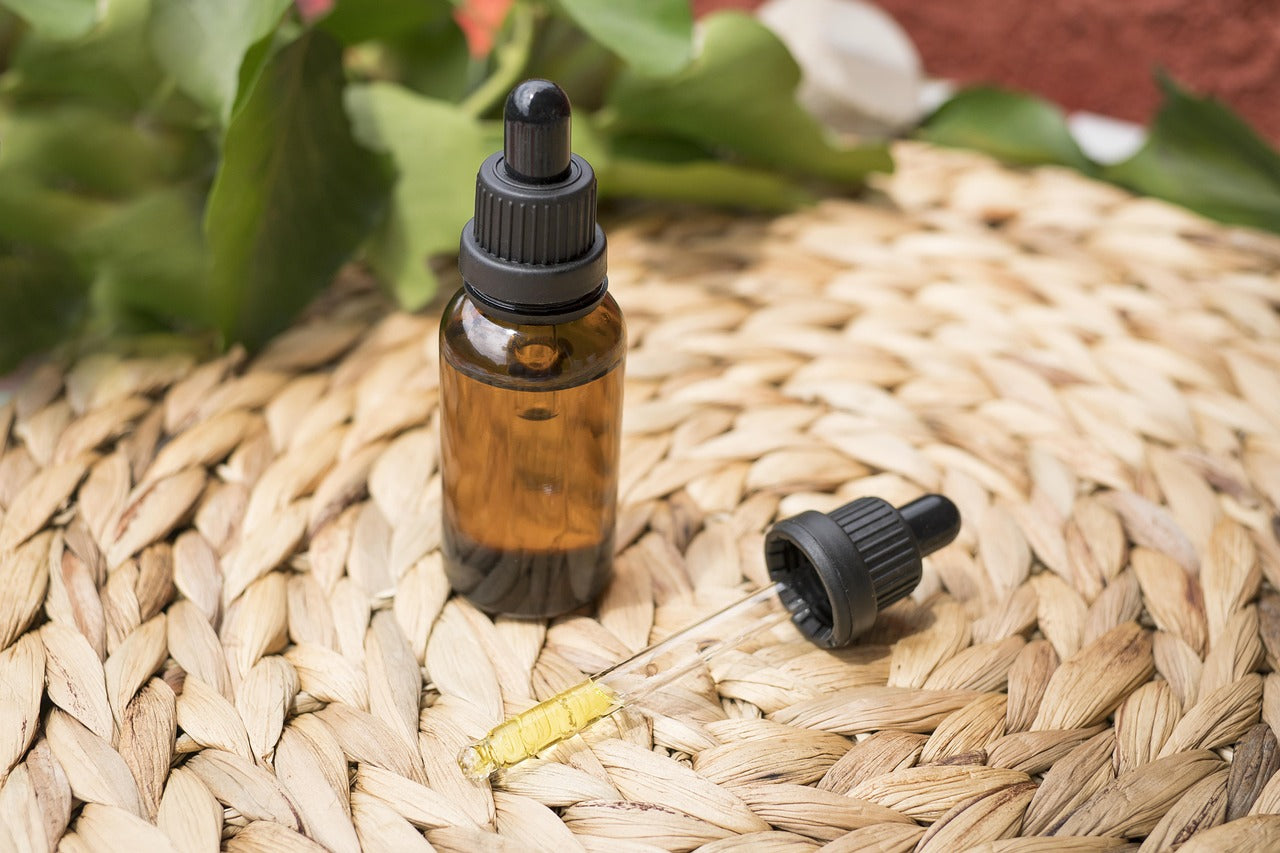
A CBD oil sold with the mention "food supplement", "drops under the tongue", "2 to 5 drops per day" or "oral use" is unquestionably a foodstuff within the meaning of the European regulation. It falls under Novel Food. It is concerned by the DGAL plan as of May 15, 2026.
An oil explicitly presented as "external care oil", "massage oil" or "cosmetic", without any indication of internal use, falls outside the Novel Food regulation and into cosmetic regulation. It remains authorized — but with its own constraints (product information file, declaration to the European CPNP portal, etc.).
Beware of the grey area
Oils sold without clear qualification — not labeled "food supplement" but clearly used sublingually by customers — represent the riskiest case. The DGAL may reclassify the product as a foodstuff according to its obvious use, regardless of the label. European case law on food supplements (notably the Pommée de Tonneins judgment) has long allowed this. "You shouldn't have written it" does not work in food law.
The distinction is subtle but important. If you have a bottle at home and you're wondering which category it falls into, look at three things on the label: (1) the mention "food supplement" or equivalent, (2) instructions for oral drops, (3) the presence of a CPNP number (European cosmetic register). We have created a detailed guide to decipher this: how to read a CBD oil label.
Sanctions for traders: the scale
DGAL controls are not symbolic. According to cross-referenced regulatory sources, the scale of sanctions available to agents ranges from a simple warning to serious criminal prosecution (Rural and Maritime Fishing Code, articles L. 215-1 et seq.; Consumer Code, articles L. 451-1 et seq.).
| Step | Measure | Actor |
|---|---|---|
| 1 | Formal warning | Local DDPP |
| 2 | Formal notice to withdraw products | DDPP / Prefecture |
| 3 | Administrative withdrawal and stock seizure | DDPP |
| 4 | Mandatory recall (if health hazard) | National DGAL |
| 5 | Temporary closure of the establishment | Prefecture |
| 6 | Criminal prosecution — fines up to several hundreds of thousands of euros | Public Prosecutor's Office |
In practice, the first controls were mainly educational for shops that played along and quickly withdrew the affected references. The heaviest sanctions will target actors who persist or who present a proven health risk (THC level above 0.3%, contamination, prohibited health claims).
For the French CBD food market, the figures speak for themselves: according to the UIVEC, we are talking about approximately 100 million euros in annual turnover for CBD food supplements, which will disappear or be reformulated. This is massive for the sector.
If you are a trader and you are wondering how to secure your supply in this context, the answer lies mainly in the quality of the file accompanying each batch: certificate of analysis, traceability, labeling without claims. This is what we provide to professionals — see our CBD wholesaler page, as well as the particular case of tea rooms, directly concerned by the Novel Food issue.
What about you, consumer?
You have an open bottle in your cupboard. You are wondering if you should throw it away, if you can get a refund, if you will get into trouble. Pragmatic answers, no alarm.
You can finish what you have. The DGAL plan targets traders, not individuals. Possessing a product purchased legally before May 15 is not an offense. No provision of the plan obliges consumers to destroy their personal stocks.
Refund is not automatic. A product sold in good faith before the application of the control remains, in practice, at your expense. Some brands anticipate and offer credit notes, as a commercial gesture — this is not a legal obligation.
Buying online in another EU country? Complicated. The free movement of goods applies in theory (Kanavape case law), but the Novel Food regulation is a European regulation — it applies equally in all Member States. Neighboring countries (Switzerland, Italy) that have more lax frameworks for edible CBD owe this to national specificities that do not erase the Novel Food obligation within the European common market. If you want to understand the differences in regimes, we have written a comparison: CBD prices France vs Switzerland, Italy, Spain.
Cooking yourself with CBD flowers? Here, you are touching an area that the DGAL does not address. Legally purchased flowers for vaporization can certainly be used to infuse butter or oil at home, for your personal use. This is not a commercialization of a food product — it is domestic consumption, outside the scope of the Novel Food regulation. We have published a technical guide on the matter: cooking CBD at home. But we remind you: no resale, no service to third parties, otherwise you become a food business operator in the European sense.
Important health note
Whatever your use, we never make therapeutic promises. CBD is not a recognized medicine in France for general public use. If you have a medical condition, talk to your doctor before taking or stopping anything. And keep in mind: THC strictly less than 0.3% to remain within the French framework.
What doesn't change on May 15
A quick, dry summary of what remains unchanged, to conclude the matter clearly.
- Dried CBD flowers intended for vaporization or inhalation. They are not foodstuffs. The French framework — set by the decree of December 30, 2021, then confirmed by the Conseil d'État — authorizes them provided that the THC content is less than 0.3%.
- CBD resins / hash for the same use (vaporization). Same logic as flowers.
- CBD cosmetics: creams, balms, topical oils, soaps. Governed by Regulation (EC) 1223/2009 on cosmetic products, totally distinct from Novel Food.
- Edible hemp seeds and cold-pressed edible hemp oil (without added CBD), which have been consumed in Europe for centuries and are therefore traditional in the Novel Food sense (pre-1997).
- Cannabidiol-based medicines authorized via an MA (Epidiolex for certain rare pediatric epilepsies, for example): these fall under pharmaceutical law, not food law.
And by the way: no, synthetic cannabinoids (HHC, H4-CBD, HHCPO, THCP, CBD+) are not coming back into the debate — they remain prohibited since the decree of June 11, 2024 (HHC, HHCPO, HHCO) and subsequent additions. The DGAL plan changes nothing about that. For the complete list and reasons, see our guide hemp derivatives in France.
Source: Minute Pratique, May 2026. Video analysis of the ban and its consequences for French shops.
FAQ
Is my 10% CBD oil bought in a shop last month prohibited?
Can I still buy CBD in France after May 15, 2026?
What is the difference between "Novel Food" and "illegal"?
Can pharmacies continue to sell CBD oils?
What if I buy my CBD oil in Switzerland or Italy?
Will my CBD gummies be destroyed or can I sell them?
Why this specific date of May 15?
Has the ban on edible CBD been suspended by the Conseil d'État?
What dose of CBD does EFSA consider safe?
Can edible CBD become authorized again in France?
- Conseil d'État, judge in urgent proceedings, order No. 516668 of July 10, 2026 (ECLI:FR:CEORD:2026:516668.20260710): rejection of the request for suspension of the national control plan 2026.
- EFSA Panel on Nutrition, Novel Foods and Food Allergens (NDA), "Update of the statement on safety of cannabidiol as a novel food", EFSA Journal, February 9, 2026, DOI 10.2903/j.efsa.2026.9862.
- Le Figaro Conso, "Oils, herbal teas, sweets: CBD food products banned from May 15", May 7, 2026 (paywall article, accessible paragraphs).
- Regulation (EU) 2015/2283 of the European Parliament and of the Council of November 25, 2015, on novel foods, OJ L 327 of December 11, 2015.
- European Commission Novel Food Catalogue, entry Cannabis sativa L., updated January 2019.
- CJEU, judgment of November 19, 2020, B S and C A ("Kanavape"), Case C-663/18.
- Rural and Maritime Fishing Code, articles L. 215-1 et seq.; Consumer Code, articles L. 451-1 et seq.
- Public communications UPCBD, UIVEC, Synadiet and SPC, May 2026.
- Sector analyses: Hempi, CBUD, Lord of CBD, Amsterdam Quality, Police & Réalités, May 4-7, 2026.
Article updated on July 31, 2026. Next known deadline: the examination of the appeal for annulment before the Conseil d'État, expected in autumn 2026. The framework is also likely to evolve if a Novel Food authorization is granted by the European Commission. Recommended consultations: Légifrance for French regulatory monitoring, EFSA for European scientific opinions.
Cloud Store CBD is a CBD flower and resin shop based in Charente. We follow these regulatory files closely because they define what we can, or cannot, offer you. This article is an informative decryption — it does not replace personalized legal advice. For any questions about the conformity of a product you sell, contact your local DDPP or a lawyer specializing in food law.