
CBD and Muscle Recovery 2026: What Science Says, WADA, and How to Choose a Safe Product
Updated August 4, 2026, by Frédéric Penain (Cloud Store CBD).
Reading time: ~10 min, Cloud Store CBD expert guide.
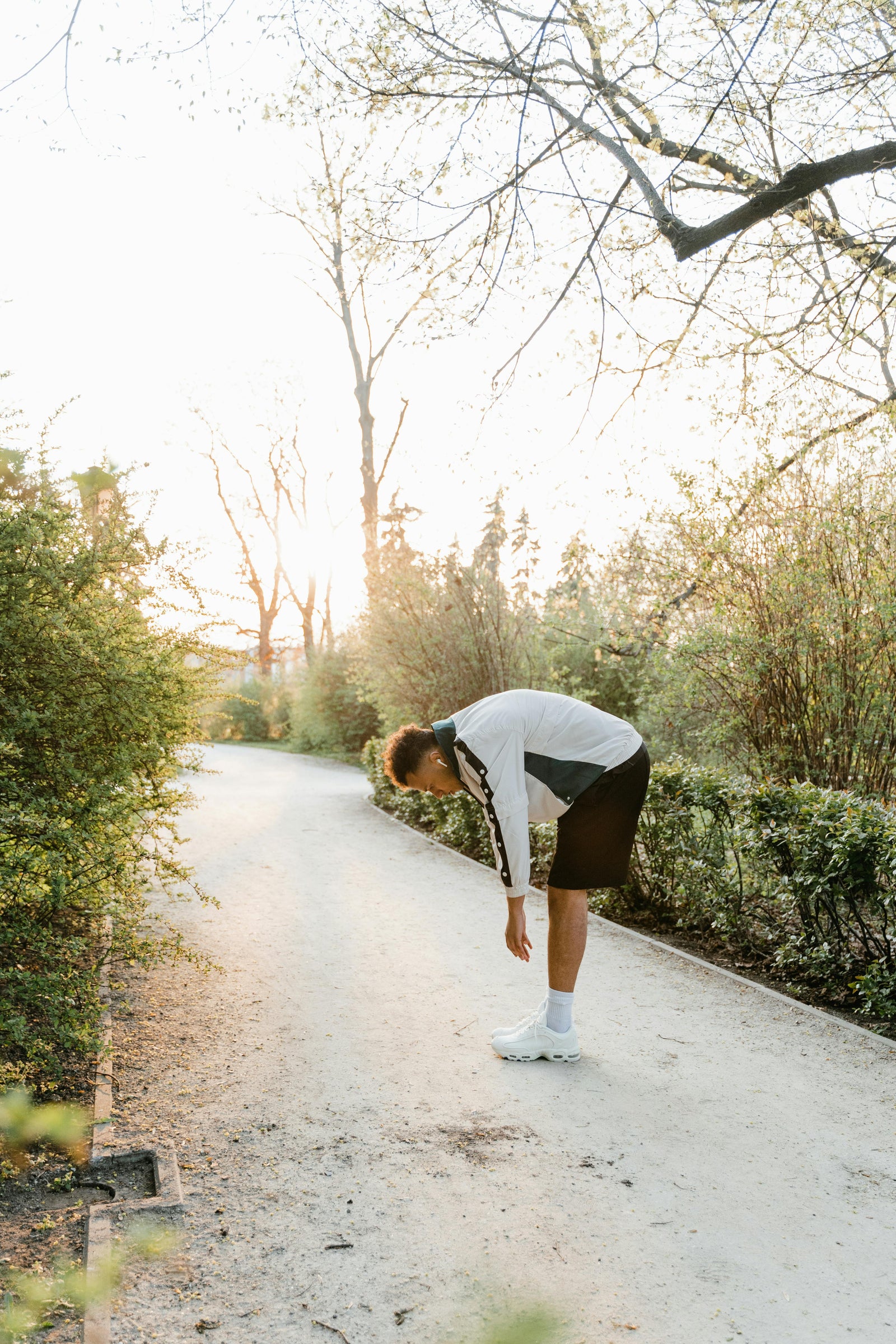
You've just completed a long run, a strength session, or a trail run that demanded more than usual. Your legs are heavy. Your mind is too. And the upcoming night risks being punctuated by muscle soreness and nervous fatigue. You've heard about CBD for recovery. You're wondering if it's worth it, and especially if it's compatible with a structured training program.
You're not the only one asking the question. According to a survey published in November 2025 in Frontiers in Nutrition, 38% of Canadian elite athletes surveyed had already used CBD, and 93% of them reported improved sleep. The subject is no longer marginal.
But between marketing promises, false testimonials, and adulterated products reported by the ANSM, it's difficult to separate the noise from the signal. What do studies really say about recovery? What is the WADA / AFLD status of CBD today? And how do you choose a product that won't lead to a positive anti-doping test due to a trace of THC?
This guide provides answers, sourced and without overselling.
Quick Answer
• CBD is authorized in and out of competition by the World Anti-Doping Agency since January 1, 2018 (WADA Prohibited List 2025). THC, however, remains prohibited in competition.
• Studies on CBD and sports recovery (McCartney 2020, Sahinovic 2022, review Maroto-Izquierdo 2024) are promising but limited: evidence of plausible analgesic and anti-inflammatory effects, clinical data in athletes still scarce.
• Regarding sleep, 38% of Canadian elite athletes use CBD; 93% of users report better sleep (Frontiers in Nutrition, 2025).
• The real risk for an athlete is not CBD itself, but THC contamination in untraceable products. The ANSM warned about hundreds of intoxications linked to adulterated products in 2024-2025. Third-party COA and FR/EU origin are non-negotiable.
Why are more and more athletes interested in CBD?
Intense sport stresses the body in ways that far exceed the session itself. Muscle micro-tears, post-exercise inflammation, fragmented sleep during periods of high load, nervous fatigue, competition anxiety: these are all parts of an athlete's daily life who regularly pushes themselves. CBD has entered this landscape because it offers a non-psychoactive self-regulation angle, without direct interaction with pure performance.
A survey published in November 2025 in Frontiers in Nutrition among Canadian elite athletes quantified the enthusiasm: 38% of athletes surveyed had already used CBD. Among users, 93% reported better sleep, 90% better relaxation, 77% a reduction in training-related pain, and 96% felt it was a safe product. These figures are subjective (self-reported, not measured in a laboratory), but they describe a massive and structured demand.
What to remember here
CBD is not a miracle product for performance. It is used by a significant minority of elite athletes, mainly for recovery, sleep, and stress management. Clinical data on objective performance remains limited.
What do studies really say about CBD and sports recovery?
Let's be honest from the outset: clinical research on CBD and sport is young and heterogeneous. Studies exist, they are serious, but often small, on specific populations, and with very variable doses.
The often-cited reference remains the review by McCartney et al. 2020 in Sports Medicine - Open. The authors conclude that CBD could support recovery via plausible analgesic, anti-inflammatory, anxiolytic, and neuroprotective effects, but that clinical evidence in athletes remains limited and calls for more randomized trials. This is a narrative review, not a clinical trial: to be interpreted as a state of affairs, not as proof of efficacy.
The study Sahinovic et al. 2022 (Sports Medicine - Open, n = 9 endurance men) tested an oral dose of 300 mg of CBD before a 60-minute run at 70% of VO2max. Result: a slight increase in VO2 and perceived pleasure, and signs of reduction in IL-6 and TNF-α (two inflammatory markers). Creatine kinase, another classic marker, did not change. Very small sample. Results to be considered preliminary, not a demonstration.
The 2024 systematic review by Maroto-Izquierdo et al. (Nutrients) included 7 clinical studies on CBD and performance/recovery. Conclusion: limited beneficial effect on VO2 and average power, insufficient data on pure strength and muscle recovery. Again, caution.
A more explored topic remains topical CBD for muscle soreness (DOMS, delayed onset muscle soreness), with some trials like Alpy et al. 2023. Results are inconsistent depending on the protocols.
The honest conclusion
CBD can support some athletes, especially concerning sleep, competition stress management, and post-exercise comfort. No serious protocol presents it as a raw performance booster. And that's perfectly fine, because in clean sport, recovery comfort is as valuable as a gain in watts.
CBD and muscle recovery after exercise: what science says
Post-exercise inflammation is not an enemy to be eliminated. It is a normal biological signal, essential for muscle remodeling and progression. The question is therefore not to suppress it, but to help it resolve without excessive accumulation between sessions.
Preclinical trials on CBD show reproducible anti-inflammatory activity (cytokine modulation, action on CB2 and PPARγ receptors). In human clinical trials, the observed signals (Sahinovic 2022 on IL-6 and TNF-α) are consistent with preclinical literature, but the sample remains too small to conclude.
In practice, what amateur and confirmed athletes who use CBD for recovery report is less a measurable "reduction in inflammation" than less perceived stiffness the next day and deeper sleep the night after the session. This effect is expected via the analgesic and anxiolytic pathway of CBD rather than via a direct anti-inflammatory action.
Important: CBD in no way replaces consultation with a physiotherapist, sports doctor, or physical trainer in case of actual injury, persistent pain, or overtraining. It is a routine supplement, not a treatment.
Does CBD really improve an athlete's sleep?
Sleep is the most underestimated recovery lever in amateur practice. Yet it is during the night that neuromuscular consolidation, growth hormone secretion, and cellular micro-waste clearance occur. A 2023 review on sleep and athletic performance notes that 24.5% of elite athletes have a diagnosed sleep disorder, and 39.1% report sleeping less than 7 hours per night. These are worrying figures.
This is probably why sleep is the most common use of CBD among athletes: 93% of Canadian elite users surveyed in 2025 report improved sleep (Frontiers in Nutrition). Clinical trials on this population remain rare, but the subjective signal is consistent with what is observed in the general population.
To learn more about the mechanism and specific dosage for sleep, see our detailed guide on CBD and sleep. If the issue is rather competition anxiety or mental stress that prevents unwinding, also see our CBD and anxiety guide.
Is CBD allowed in competition? WADA / AFLD status in 2026
Good news for athletes undergoing anti-doping control: cannabidiol (CBD) is permitted, both in and out of competition, since January 1, 2018. This decision is included in the WADA Prohibited List and is confirmed by the AFLD (French Anti-Doping Agency).
But beware of the classic trap: CBD is allowed, THC is not, and other cannabinoids (CBN, CBG, HHC, H4CBD, THCP) remain prohibited in competition (WADA list class S8). In practice, a product labeled "CBD" but containing traces of THC above the French legal threshold of 0.3% can lead to a failed test.
This risk is not theoretical. The ANSM warned in June 2025 about several hundred intoxications linked to adulterated CBD products with undeclared synthetic cannabinoids. For an athlete under control, this is a matter of both sports and health protection.
The French legal framework around CBD remains stable since the Council of State decision of December 29, 2022 which annulled the prohibition of flowers and leaves, and the decree of December 30, 2021 which sets the THC threshold at 0.3%. For complete details, see our guide on legal CBD in France.
Which CBD format for which training moment?
Not all CBD formats are equally suitable for an athlete. The choice depends on the timing of intake and the type of effect desired.
Sublingual oil remains the Swiss army knife: precise drop-by-drop dosage, absorption in 15 to 45 minutes, fine adjustment according to feeling. It is the most versatile format for an athlete, whether to calm stress before a competition or promote muscle relaxation in the evening.
Topical products (balms, gels, massage oils) locally target a tense area. Clinical evidence is still scarce, but their use is widespread for localized muscle soreness.
CBD flowers in infusion (never smoked) accompany an evening recovery ritual. The effect is more diffuse, dosage less precise, but the ritual has its value.
Capsules are suitable for athletes who want a simple routine, integrated into their usual supplementation, without monitoring a drop counter.
| Format | Indicative onset time | Ideal for |
|---|---|---|
| Sublingual oil | 15 to 45 min | Competition stress, post-session relaxation, sleep — precise dosage |
| Topical (balm, gel) | Variable, local application | Localized muscle soreness, areas of tension after session |
| Flower in infusion | 30 to 60 min | Evening ritual, mental break after a demanding day |
| Capsules | 1 to 2 h | Simple routine integrated into supplementation, regular intake |
Regarding the choice of spectrum, this is where an athlete under anti-doping control must be vigilant: a full spectrum contains traces of THC legal in France (< 0.3%) but detectable by certain tests. Athletes under control should favor a broad spectrum (no claimed THC) or an isolate (pure CBD). Our detailed comparison of spectra helps decide.
What CBD dose to take depending on the training moment?
No universal dose exists. CBD reacts with your weight, your metabolism, the product's spectrum, the timing of intake, and even your training level. The only robust principle remains progressiveness.
For typical athletic use, three intake times are observed: before exercise (stress management, especially in competition), after exercise (relaxation, start of recovery), and in the evening (sleep, consolidation).
| Athlete profile | Typical approach | How to adjust |
|---|---|---|
| CBD beginner | Microdose 5 to 10 mg per intake, once a day (often in the evening), for 5 to 7 days | Evaluate sleep and recovery after 1 week before increasing |
| Regular practice | 10 to 25 mg per intake, 1 to 2 times a day, including one in the evening | Test adding a post-session dose on intense training days |
| High load / competition | Regular dose + one-off dose before competition (stress management) or after (recovery) | Prioritize evening regularity, adjust occasional doses based on feeling |
For precise drop/mg conversions based on oil concentration, see our practical dosage guide. For specific sleep timing, see the CBD and sleep guide.
The right dosage reflex
Avoid overdosing to "feel something." CBD is not a stimulant: its effect is cumulative and subtle. A modest dose taken daily for 7 to 10 days says much more about your tolerance and response profile than a large dose taken on game night.
Important: if you are taking medication (anti-inflammatories, anticoagulants, anxiolytics, antiepileptics), ask your doctor for advice before introducing CBD. CBD is metabolized by cytochrome P450 and can interact with certain molecules.
How to choose reliable CBD when playing sports?
For an amateur athlete, this is already important. For an athlete under anti-doping control, it is non-negotiable. Four criteria must become purchasing reflexes.
1. The third-party Certificate of Analysis (COA). A serious product comes with an analysis performed by an independent laboratory. You check the actual CBD content, THC compliance < 0.3%, absence of pesticides, heavy metals, and residual solvents. For an athlete under control, this document is your first line of defense.
2. Origin and supply chain. Hemp grown in France or Europe according to clear standards is more traceable. At Cloud Store CBD, we work with two French producers selected for the stability of their batches and the transparency of their analyses.
3. The appropriate spectrum for your situation. Under strict anti-doping control, prefer a broad spectrum or an isolate. Outside of control, a full spectrum may be relevant to benefit from the entourage effect. See our comparison.
4. General brand transparency. No oversold therapeutic claims, clear information on composition, accessible customer service, verified reviews. A brand that promises to "heal your injuries" or "boost your performance" violates French law and is not trustworthy.
Bonus red flag: any product that mentions "HHC", "H4CBD", "THCP" or "CBD+". These are synthetic cannabinoids or derivatives, not natural CBD. WADA classifies them as prohibited substances in competition. Cloud Store CBD does not market any of these products, by health and sports choice.
In summary: what to remember
CBD has found its place in sports without revolutionizing performance. Studies are promising on recovery, sleep, and stress management, but clinical data in athletes remain limited. Legally and regulatory, the status is clear: CBD has been authorized by WADA and AFLD since 2018, THC is not, and the real risk for an athlete comes from adulterated or untraceable products.
Concretely: identify the use that speaks to you (sleep, post-workout relaxation, competition stress management), choose a format suitable for the time of intake, start low, stay regular, and systematically check for a COA and the product's spectrum if you are under anti-doping control.
In 2026, with ANSM alerts on adulterated products and THC contamination issues, traceability is no longer a comfort. It is the defense line of a serious athlete.
Discover our French CBD oils, traceable and compliant, designed to be integrated into a serious sports routine.
See our CBD oilsFAQ — CBD and sport
Is CBD authorized by WADA in 2026?
Yes. CBD has been authorized in and out of competition by the World Anti-Doping Agency since January 1, 2018, and is listed as such in the 2025 list. However, THC, CBN, HHC, and all other cannabinoids remain prohibited in competition. AFLD applies the same rule in France.
Does CBD improve athletic performance?
No, CBD is not a doping product and does not directly increase performance. Recent reviews (McCartney 2020, Maroto-Izquierdo 2024) suggest a possible benefit on VO2 and perceived effort, but clinical data remain limited. The majority of use among athletes concerns recovery, sleep, and stress management.
What CBD format should I choose for sports recovery?
Sublingual oil is the most versatile format for an athlete: precise dosage, quick intake, drop-by-drop adjustment. Topical balms can supplement on tense areas. Capsules are suitable for a regular routine. For sleep, sublingual oil taken 30 to 45 minutes before bedtime is the most practical option.
Is there a risk of a positive anti-doping test with a CBD product?
Pure CBD is not a problem. The risk comes from untraceable products containing THC traces above 0.3%. For an athlete under control, the third-party COA and the choice of a broad spectrum or isolate are the best insurance. ANSM warned in 2025 about hundreds of intoxications linked to adulterated products.
What dose of CBD should I take when exercising?
There is no universal dose. For a beginner, start at 5-10 mg per dose (often in the evening), for 5 to 7 days, then adjust. Regular athletes often take between 10 and 25 mg per dose, 1 to 2 times a day. Avoid overdosing to "feel something": the effect of CBD is cumulative, not immediate.
Can I take CBD before a competition?
Yes. Some athletes use CBD before a competition to manage pre-event stress, at a modest dose so as not to feel too relaxed. It is best to test it in training several weeks before, never on race day for the first time. And prefer a broad spectrum or an isolate if you are under control.
Useful sources
WADA — Prohibited List 2025 (accessed May 5, 2026)
AFLD — Cannabis and cannabidiol (CBD) (accessed May 5, 2026)
McCartney et al. 2020 — Cannabidiol and Sports Performance (PMID 32632671) (accessed May 5, 2026)
Sahinovic et al. 2022 — Oral CBD and endurance (PMID 35235092) (accessed May 5, 2026)
Maroto-Izquierdo et al. 2024 — Systematic review CBD performance, Nutrients (accessed May 5, 2026)
Charrette et al. 2025 — CBD in Canadian elite athletes, Frontiers in Nutrition (accessed May 5, 2026)
Sleep and Athletic Performance — 2023 synthesis (PMC9960533) (accessed May 5, 2026)
Legifrance — Order of December 30, 2021 (THC < 0.3%) (accessed May 5, 2026)
ANSM — Cannabinoids added to the list of narcotics (June 2025) (accessed May 5, 2026)
⚠ Important note: this article is provided for informational purposes only. It does not constitute medical advice or a personalized training protocol. In case of injury, persistent pain, ongoing medication, or anti-doping control, speak to your sports physician or physiotherapist.